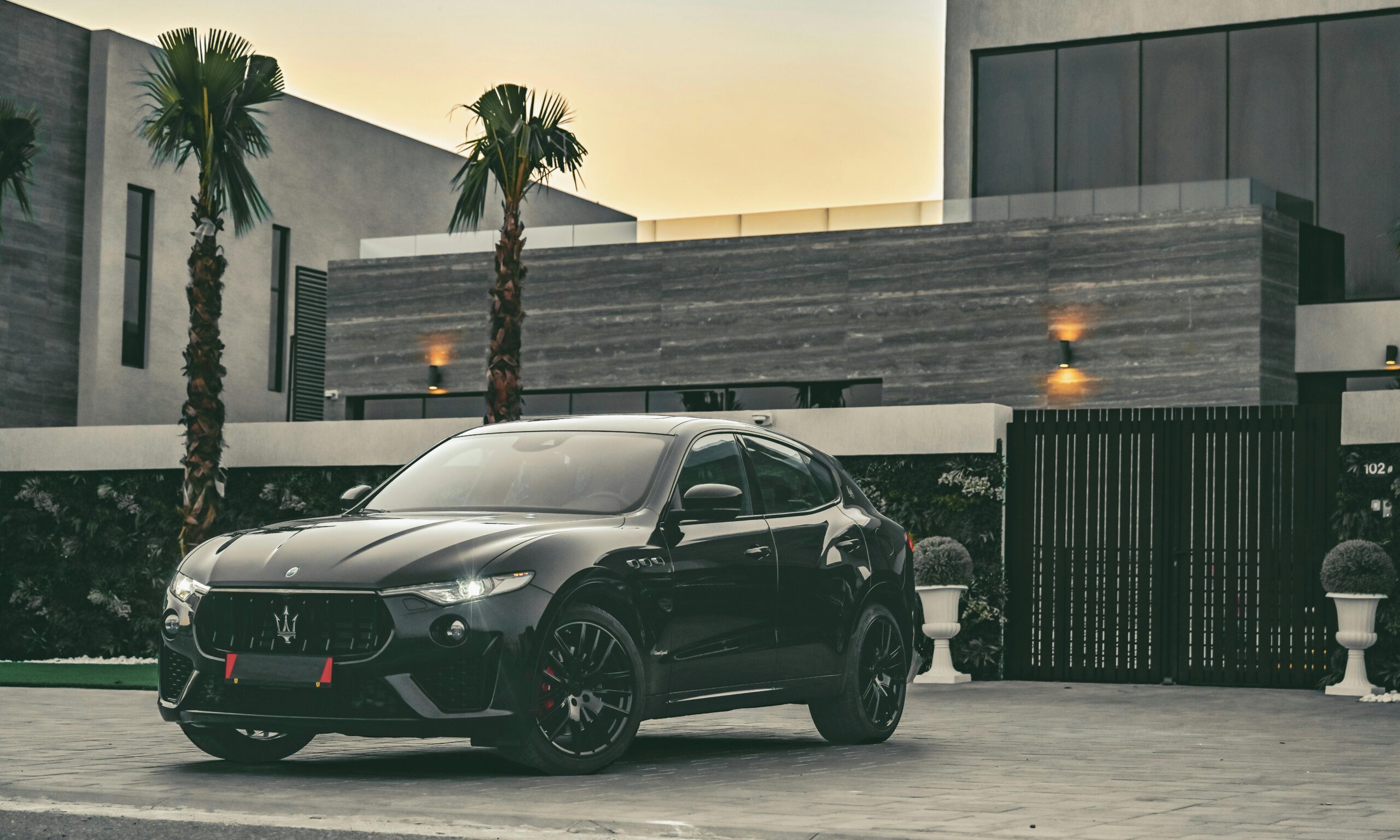
For decades, luxury meant excess—rare materials, exclusivity, craftsmanship, and price tags that kept most of the world out. But in 2026, the meaning of luxury has fundamentally evolved. The modern consumer doesn’t only pay for prestige; they invest in purpose. Sustainability, personalization, and digital innovation have become the new status symbols in an industry once dominated by tradition.
The Changing Face of Luxury Consumers
The luxury market is no longer driven solely by old wealth. Over the past decade, generational and geographic shifts have transformed who buys luxury and what they value. According to Bain & Company, Millennials and Gen Z now account for more than two-thirds of global luxury spending. These consumers are digital natives—and socially conscious ones. They expect brands to mirror their ethics, not just their aesthetics.
In practical terms, that means Rolex can no longer rely solely on heritage, and Hermès must go beyond craftsmanship. Modern buyers want transparency about sourcing, environmental impact, and labor practices. “Quiet luxury,” a term popularized in the early 2020s, reflects this mindset: it’s not about logos but longevity, not about excess but experience.
The Rise of Sustainable Luxury
Sustainability used to be the opposite of indulgence. Now it defines it. Luxury brands are leading the way in environmental innovation precisely because their customers demand it—and can afford to pay for it. Gucci claims its operations are now carbon-neutral. Stella McCartney’s entire brand identity is built around ethical fashion. Even diamond houses like De Beers now offer lab-grown alternatives marketed as both eco-friendly and exquisite.
This isn’t just corporate social responsibility—it’s a business imperative. Research shows that sustainable products consistently outperform traditional ones in growth and brand loyalty. In luxury, where image drives value, a clean conscience sells as well as fine craftsmanship.
Imagine a future where exclusivity is measured not by scarcity of materials but by scarcity of waste. A limited-edition handbag made entirely from recycled ocean plastics might earn more admiration than one made from exotic leather.
Digital Luxury: Where Technology Meets Exclusivity
Technology, once seen as a threat to old-world craftsmanship, is now a pillar of modern luxury. Digital fashion, blockchain authentication, and virtual experiences are reframing what it means to own and experience luxury goods.
For instance, LVMH developed the Aura Blockchain Consortium, allowing customers to verify authenticity and track the lifecycle of luxury products. In the secondary market—worth billions annually—authenticity equals trust, and trust equals value.
Meanwhile, the dawn of “phygital” experiences—where physical and digital blend—has opened entirely new ways to express luxury. From Gucci’s virtual stores in the metaverse to Prada’s NFT-linked products, exclusivity now transcends physical limitations.
But this isn’t just about novelty. It’s about connection. Digital innovation enables luxury brands to tell deeper stories, reach global audiences, and personalize experiences directly through data insight. The truly modern luxury brand isn’t defined by limited access—it’s defined by meaningful access.
The Experience Economy and the Personalization Premium
Today’s wealthiest consumers crave experiences over possessions. This shift has redefined what luxury service means. High-net-worth clients expect jet-set convenience and tailor-made experiences—whether it’s a private chef-curated meal in a secluded villa or a personalized shopping session in Paris streamed through augmented reality.
Even traditional sectors like hospitality and automotive have embraced personalization as their ultimate luxury. Rolls-Royce’s “Bespoke” division now lets clients co-design vehicles piece by piece. Aman Resorts sells serenity to those who value time more than things. For digitally savvy luxury travelers, convenience married with curation is the new opulence.
This personalization premium has created an entirely new value equation: true luxury equals time, discretion, and individuality. When everything else is mass-produced, being understood becomes the rarest commodity.
The Financialization of Luxury Assets
Luxury is also becoming an investment class. From collectible Hermès Birkins outperforming the S&P 500 to fine whiskey and high-end watches gaining institutional interest, tangible luxury assets have proven resilient in volatile economies.
What separates these luxury assets from traditional investments is emotion. Investors are drawn not only by returns but by identity—owning tangible, storied items that hold cultural significance. In this sense, luxury brands have become both lifestyle and portfolio strategy.
With blockchain technology and fractional ownership, access to high-value collectibles is expanding. Platforms now allow users to invest in rare sneakers, limited-edition watches, or art pieces—democratizing luxury investment while preserving exclusivity through traceable authenticity.
Why Luxury Still Matters in an Age of Access
In a world defined by subscriptions and sharing, luxury stands apart as the last frontier of ownership. It’s one of the few markets where emotion, heritage, and scarcity still hold power against digital replication. But its relevance now depends on aligning cultural values with innovation.
Today’s luxury is not about keeping people out; it’s about inviting them to share a story. The most successful brands are those that merge timeless craftsmanship with timely conscience—delivering beauty and meaning that endure long after trends fade.
The Future of Luxury: Quiet, Conscious, and Connected
The evolution of luxury tells a broader story about culture and capitalism. What once symbolized wealth now signals wisdom. Minimalism replaces maximalism. Transparency replaces secrecy. Connection replaces status.
For investors, creatives, and consumers alike, the luxury market remains a barometer for economic and societal trends. Watching how this industry reinvents itself reveals where culture is headed next.
Luxury, at its best, will always be about rarity. But rarity itself has been redefined—not just in price or production, but in principles. The future belongs to brands that understand that elegance is ethical, and prestige is personal.