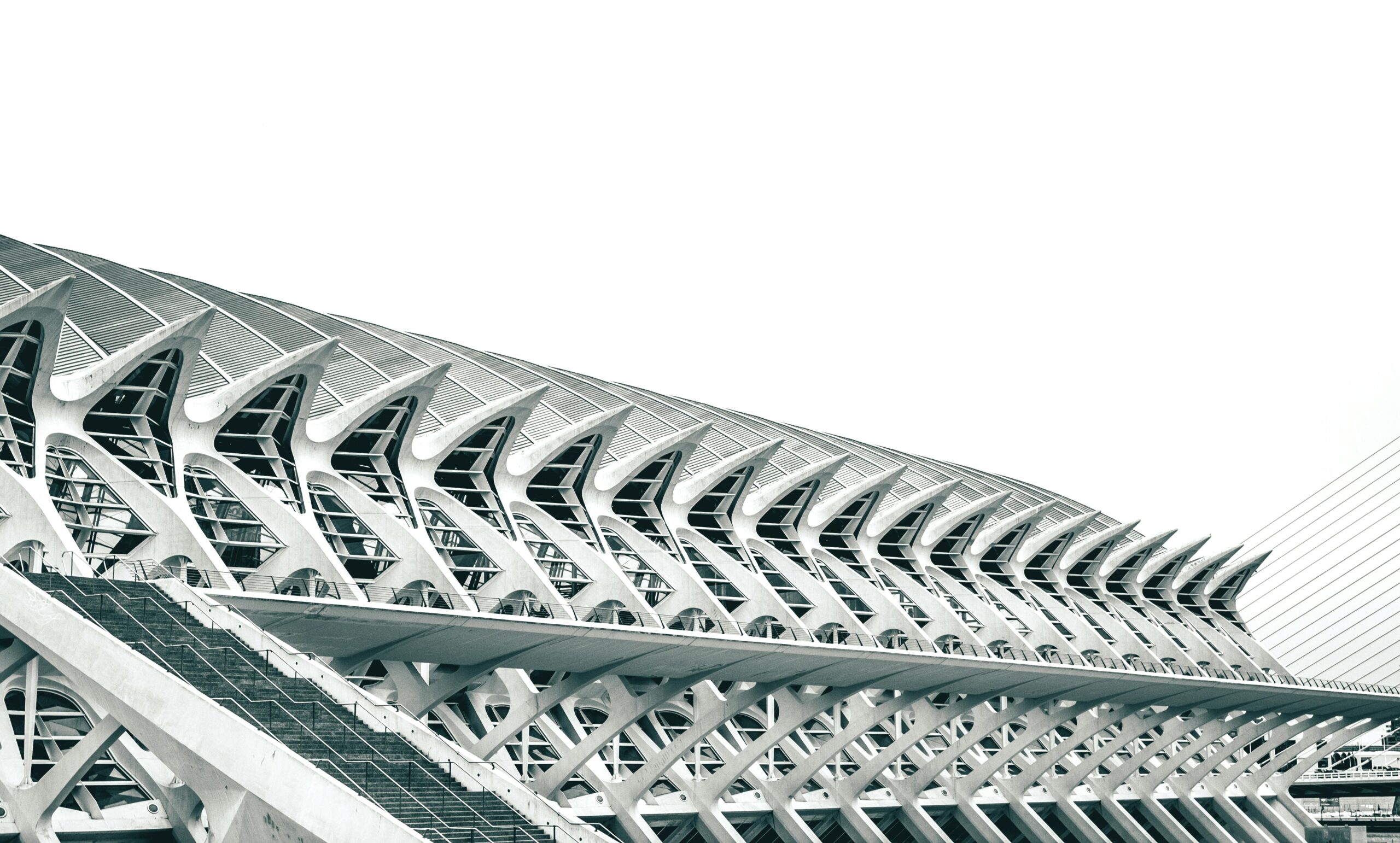
Architecture doesn’t merely construct buildings — it shapes how societies live, connect, and adapt to change. As climate pressures, demographic shifts, and technological advances redefine our cities, the future of architecture is being written not by concrete or steel but by vision, data, and sustainable ingenuity. The emerging generation of architects is tasked with creating spaces that are both human-centered and future-proof, merging the aesthetics of beauty with the economics of resilience.
Architecture at the Intersection of Economics and Environment
Across global markets, architecture now occupies a crucial seat at the economic table. Urban development affects GDP growth, real estate valuations, and the livability index of cities around the world. Firms that forecast long-term value increasingly treat design as an investment — one capable of mitigating risk and driving returns over decades.
Green building initiatives alone represent a market exceeding $600 billion annually. This economic momentum is fueled by more than environmental ethics; it’s propelled by measurable financial advantage. Sustainable materials lower maintenance costs, energy-efficient systems reduce operational expenses, and healthier workspaces improve productivity.
Architecture, once seen primarily as a creative endeavor, now stands as a critical economic indicator: how we build shows how we value our collective future.
The Rise of Adaptive Design
An evergreen truth of architecture is adaptability. From Roman aqueducts to New York’s skyscrapers, lasting structures are those built for change. Modern architects increasingly employ “adaptive design,” an approach that anticipates evolving human needs and environmental conditions.
In practice, adaptive architecture manifests in flexible layouts, modular construction, and intelligent systems. For example, offices designed with movable partitions can transform into residential spaces; parking garages can later evolve into greenhouses or retail centers. This foresight reduces waste and gives buildings a second life — aligning urban development with long-term sustainability goals.
A notable example is the High Line in Manhattan, a park transformed from an abandoned railway into one of the city’s most iconic spaces. Its success underscores how adaptive reuse can revitalize communities and spark economic renewal.
Technology Reshaping the Blueprint
No transformation in architecture is complete without technology. Artificial intelligence, generative design, and digital twin simulations are redefining how architects plan and execute projects.
- AI-driven design allows architects to optimize building performance — predicting heat flow, sunlight exposure, and ventilation efficiency before construction even begins.
- Digital twins, virtual replicas of real-world structures, enable ongoing maintenance and sustainability monitoring.
- 3D printing and robotics reduce construction waste and accelerate project timelines.
These breakthroughs ensure that architectural innovation aligns with the pace of technology itself — making it possible to design not just for today’s challenges, but for the needs of generations ahead.
Sustainable Architecture as Competitive Advantage
The concept of “green architecture” has evolved from a moral choice to a strategic one. Sustainability standards like LEED, BREEAM, and Living Building Challenge have become economic benchmarks, helping investors evaluate the long-term performance of real estate assets.
Moreover, consumer demand drives market adaptation. Studies show that more than 80% of homebuyers now consider energy efficiency a primary factor in purchase decisions. Corporations, too, link their brand reputation with sustainable infrastructure — Apple’s campus and Amazon’s HQ2 being prime examples of how architectural choices signal corporate responsibility.
Cities that embrace green design experience tangible returns: lower energy consumption, improved public health, and heightened global competitiveness. In that sense, sustainable architecture isn’t just environmentally sound — it’s financially strategic and socially indispensable.
Urbanization and the Human Experience
Over half the world’s population now lives in urban areas. By 2050, that figure will exceed 70%. The expanding urban footprint compresses human living spaces and demands inventive architectural responses.
Modern architects increasingly prioritize biophilic design, integrating natural elements like light, vegetation, and water into urban environments. These features aren’t merely aesthetic — they reduce stress, boost creativity, and improve well-being, turning crowded cities into livable ecosystems.
Singapore is a pioneering model: its skyline merges futuristic geometry with verdant terraces, demonstrating how urban architecture can harmonize humanity and nature. The city’s “green corridors” and vertical gardens serve as templates for sustainable growth elsewhere.
Timeless Principles of Architectural Design
While technologies evolve, certain architectural principles remain timeless:
- Form follows function. Purpose-driven design ensures practicality without compromising aesthetics.
- Harmony with environment. Buildings should respond to climate, landscape, and cultural heritage.
- Human scale. Architecture succeeds when it enhances daily experience — making spaces feel intuitive, not imposing.
- Material honesty. Using resources thoughtfully ensures both durability and aesthetic authenticity.
These principles endure because they’re grounded in human psychology and environmental balance. They guide architects across centuries, ensuring that innovations serve people rather than overshadow them.
The Economic Value of Design Thinking
Architecture extends beyond physical construction — it embodies design thinking, a mindset increasingly adopted by businesses and policymakers. The same process that shapes a livable space can solve complex social and economic problems.
When cities apply architectural thinking, they foster efficient infrastructure, promote sustainability, and strengthen social cohesion. For example, Copenhagen’s bicycle-centric design isn’t only eco-conscious — it represents a strategic investment in long-term urban health and mobility.
Companies, too, borrow from architectural logic when designing workspaces that encourage collaboration. From open-plan offices to hybrid remote hubs, the architectural geometry of interaction drives innovation far beyond mere aesthetics.
Looking Ahead: Resilient Cities for a Changing Climate
Climate resilience will define the next century of architecture. Coastal cities face rising sea levels; inland regions grapple with heatwaves and water scarcity. Future-ready architecture must respond dynamically — through flood-resistant materials, elevated structures, and passive cooling strategies.
Innovations in carbon-neutral design and net-zero construction represent the frontier of architectural progress. In Denmark, entire neighborhoods are being developed with circular economy principles, where materials are reclaimed, recycled, and reused across generations.
The cities that thrive will be those that integrate resilience into their foundations — not as an afterthought, but as a core philosophy.
Evergreen Vision: Architecture as Civilization’s Mirror
When we study architecture through the lens of history, we’re essentially studying civilization itself. The pyramids reflect divine aspiration; Renaissance cathedrals represent human curiosity; modern skyscrapers embody ambition and innovation.
Today, architecture mirrors a new set of values — sustainability, inclusivity, and adaptability. Its evolution stands as both a chronicle and a forecast: how we build signals how we evolve.
Evergreen content in architecture isn’t found in trends or technologies; it’s rooted in timeless human priorities — to live beautifully, safely, and sustainably. In every era, the most profound architecture remains relevant because it addresses those universal desires.
Final Thoughts
Architecture, in essence, is about equilibrium: balancing art and science, ambition and humility, permanence and change. As economies globalize and technologies accelerate, that balance defines how cities grow and people thrive.